Drug and Alcohol
Mixing Gabapentin and Alcohol
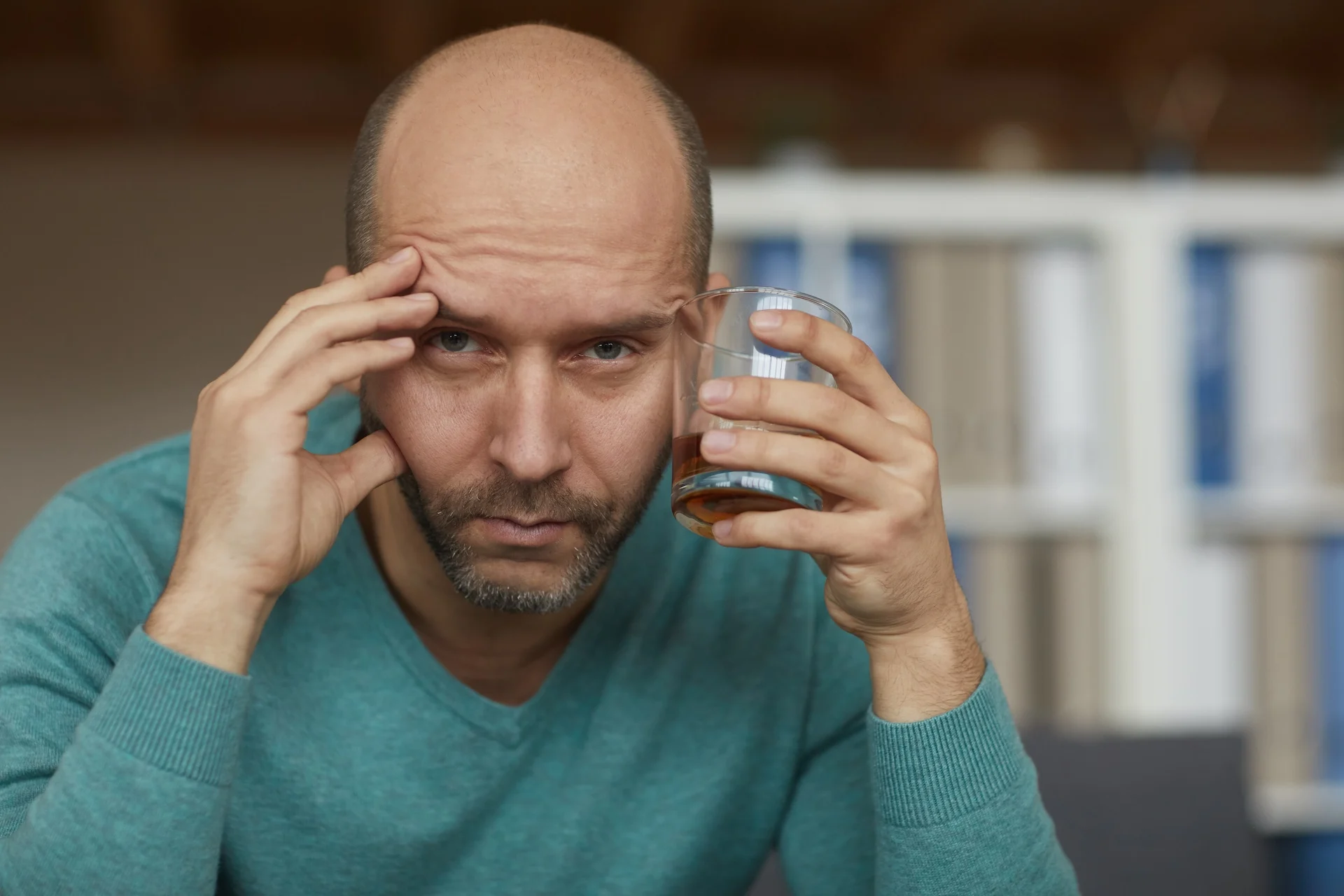
Mixing gabapentin and alcohol creates dangerous central nervous system depression and respiratory problems that can be life-threatening. Learn why this combination is risky and how to stay safe.

Mixing gabapentin and alcohol creates serious health risks that can lead to severe central nervous system depression, dangerous respiratory problems, and potentially life-threatening complications. Both substances affect your brain's neurotransmitter systems, and when combined, their effects multiply rather than simply add together, creating unpredictable and hazardous outcomes for anyone taking this seizure medication while drinking.
I've worked with countless individuals struggling with substance use who've unknowingly put themselves at risk by combining prescription medications with alcohol. The interaction between gabapentin and alcohol is particularly concerning because many people don't realize just how dangerous this combination can be, even when taking their medication exactly as prescribed.
What Is Gabapentin and How Does It Work?
Gabapentin, commonly known by the brand name Neurontin, is an anticonvulsant medication originally developed to prevent seizures. The medication works by binding to voltage-gated calcium channels in the brain, which inhibits the release of excitatory neurotransmitters. Healthcare providers prescribe it for several conditions, including epilepsy, nerve pain following shingles, and restless leg syndrome.
Despite its name and structural similarity to the neurotransmitter GABA, gabapentin doesn't actually bind to GABA receptors or directly affect GABA metabolism at clinical doses. Instead, it reduces excessive nerve activity by calming overactive neurons, which is why it's effective for both seizures and chronic pain conditions.
When you're prescribed gabapentin for addiction treatment, particularly for managing alcohol withdrawal symptoms, understanding how it interacts with alcohol becomes critical. Many treatment centers now use gabapentin as part of comprehensive rehab programs because of its ability to ease withdrawal discomfort.
The Medical Uses of Gabapentin in Addiction Treatment
Research shows that gabapentin can reduce drinking quantity and frequency, decrease alcohol craving, and improve sleep and mood disturbances in people with alcohol use disorder. This makes it a valuable tool in recovery programs, particularly during the early stages of abstinence.
At The Edge Treatment Center, I've seen how effective gabapentin can be when used appropriately in mental health treatment plans. The medication addresses multiple symptoms simultaneously. It calms the nervous system hyperactivity that occurs during withdrawal, reduces anxiety and irritability, and helps restore normal sleep patterns.
Clinical studies have shown that gabapentin is particularly effective for individuals with alcohol use disorder who have experienced withdrawal symptoms, with 41% achieving total abstinence compared to just 1% in placebo groups. However, this effectiveness depends entirely on avoiding alcohol during treatment.

We’re Here To Help You Find Your Way
Would you like more information about mental health or drug addiction? Reach out today.
Why Mixing Gabapentin and Alcohol Is Dangerous
The primary danger of combining gabapentin with alcohol stems from their similar effects on your central nervous system. Both substances are CNS depressants, meaning they slow down brain activity and various bodily functions.
When you take gabapentin and drink alcohol together, several dangerous interactions occur:
Enhanced Sedation and Drowsiness
Alcohol can increase the nervous system side effects of gabapentin such as dizziness, drowsiness, and difficulty concentrating, along with impairment in thinking and judgment. This intensified sedation can make even simple tasks dangerous. You might feel overwhelmingly tired, struggle to stay awake, or lose coordination to the point where walking becomes hazardous.
I've treated patients who've experienced falls, car accidents, and other injuries because they didn't realize how profoundly this combination would affect them. The sedative effects aren't just inconvenient, they create genuinely dangerous situations where you can't react quickly enough to protect yourself.
Respiratory Depression
Perhaps the most serious risk of mixing gabapentin and alcohol is respiratory depression. The FDA reviewed data showing 49 cases of gabapentinoid-induced respiratory depression between 2012 and 2017, with 24% of those patients dying from this complication.
Both substances slow your breathing rate. When combined, they can cause your breathing to become dangerously shallow or even stop completely. This is especially concerning because gabapentin has a half-life of about 5 to 7 hours, meaning it takes 24 to 48 hours for complete elimination from your body. This means the risk persists well after you've taken your last dose.
Cognitive and Motor Impairment
The combination significantly impairs your cognitive function and physical coordination. You may experience confusion, memory problems, difficulty concentrating, and slowed reaction times. Your balance and coordination suffer, making activities like driving exceptionally dangerous.
These effects can appear even with moderate alcohol consumption. Even when taken at a low dose, gabapentin can interact with any amount of alcohol, leading to unpredictable and dangerous reactions.
Common Side Effects of the Interaction
Understanding the specific side effects helps you recognize when you're in danger. When gabapentin and alcohol mix in your system, you might experience:
Immediate Physical Effects:
Extreme drowsiness or inability to stay awake
Severe dizziness and vertigo
Loss of balance and coordination
Slurred speech
Double or blurred vision
Nausea and vomiting
Cognitive and Psychological Effects:
Profound confusion and disorientation
Memory gaps or blackouts
Impaired judgment and decision-making
Mood swings or emotional instability
Increased depression or anxiety
Serious Medical Complications:
Dangerously slow or shallow breathing
Bluish skin, lips, or fingernails (indicating oxygen deprivation)
Unresponsiveness or inability to wake up
Seizures (especially if you suddenly stop taking gabapentin)
Risk of coma in severe cases
These effects vary based on dosage, frequency of use, individual metabolism, and other health factors. What might seem like a manageable combination to one person could prove life-threatening to another.

We’ll Lead You to New Heights
Do you have more questions about mental health or drug addiction? Reach out.
The Risk of Respiratory Depression and Overdose
Respiratory depression represents the most life-threatening consequence of mixing gabapentin with alcohol. While respiratory depression due to gabapentin alone is relatively rare, the risk increases substantially when combined with alcohol or other CNS depressants.
Your respiratory system depends on signals from your brain to maintain proper breathing rhythm and depth. Both gabapentin and alcohol interfere with these signals. When combined, they can suppress your breathing reflex to dangerous levels.
Warning signs of respiratory depression include:
Breathing slower than 12 breaths per minute
Shallow or irregular breathing patterns
Long pauses between breaths
Extreme sleepiness or difficulty staying conscious
Confusion or disorientation
Bluish tint to skin, especially around lips and fingertips
If you or someone you're with shows these symptoms, this is a medical emergency requiring immediate attention. Call 911 without delay.
The risk is particularly high for certain groups. Older adults, people with existing respiratory conditions like COPD or sleep apnea, and those taking other medications that affect breathing face significantly elevated danger. The FDA specifically warns that the potential for respiratory depression is highest when gabapentin is used in patients 65 years or older, those with underlying lung dysfunction, and with concomitant use of central nervous system depressants.
Gabapentin's Paradoxical Role in Alcohol Treatment
Here's where things get interesting from a treatment perspective. While mixing gabapentin with alcohol is dangerous, gabapentin itself has shown promise as a medication for treating alcohol use disorder. This creates an important but complex situation for people in recovery.
Clinical trials have found that gabapentin, particularly at 1800mg daily doses, was effective in treating alcohol dependence and relapse-related symptoms including insomnia, dysphoria, and craving. The medication helps stabilize brain chemistry that's been disrupted by chronic alcohol use.
When I work with patients in therapy programs, I emphasize that gabapentin becomes a helpful tool only when you've committed to complete alcohol abstinence. The medication supports recovery by addressing the uncomfortable symptoms that often lead to relapse, but it cannot do its job safely if you continue drinking.
Research shows that gabapentin treatment outcomes and adverse effects do not differ between men and women with alcohol use disorder, and the medication was not found to interact negatively with alcohol in controlled settings where it was used specifically for withdrawal management under medical supervision. However, this medical context is vastly different from someone taking gabapentin while actively drinking.
We’re Here To Help You Find Your Way
Do you need advice about mental health or drug addiction? Reach out today.
Who Is at Highest Risk?
Certain individuals face greater danger when combining gabapentin and alcohol:
People with Pre-existing Conditions: Those with respiratory disorders, including asthma, COPD, or sleep apnea, face substantially higher risks. Liver disease also increases vulnerability because it affects how your body processes both substances.
Older Adults: Age-related loss of lung function increases the risk of respiratory depression when taking gabapentin. Older adults also metabolize medications more slowly, leading to higher concentrations in the bloodstream for longer periods.
Those Taking Multiple Medications: If you're taking other CNS depressants such as opioids, benzodiazepines, sleeping pills, or certain antidepressants, adding alcohol to the mix with gabapentin becomes exponentially more dangerous. Each substance compounds the effects of the others.
People with Mental Health Conditions: Individuals dealing with mood disorders or anxiety disorders may be prescribed gabapentin and face additional risks if they use alcohol to self-medicate.
Higher Dose Prescriptions: The higher your gabapentin dose, the greater the interaction risk with alcohol. Standard doses range from 900mg to 3600mg daily, divided into multiple doses.
Safe Waiting Periods Between Gabapentin and Alcohol
If you're taking gabapentin, you might wonder how long you should wait before drinking alcohol. The honest answer is that complete avoidance is the safest approach.
However, if you're determined to drink, understanding the medication's elimination timeline is crucial. A waiting period of at least 24 hours after the last dose of gabapentin is often considered before consuming alcohol, though individual differences in metabolism or health conditions may require longer periods.
This 24-hour minimum allows most of the medication to clear from your system, but remember that everyone metabolizes gabapentin differently. Factors affecting elimination include:
Kidney function (gabapentin is eliminated through the kidneys)
Age and overall health status
Body weight and composition
Dose and duration of gabapentin treatment
Individual genetic factors affecting metabolism
For people in recovery programs, the question shouldn't be "when can I drink safely?" but rather "how can I maintain my sobriety?" If you're taking gabapentin as part of addiction treatment, drinking at all defeats the purpose of your recovery efforts.
We’ll Lead You to New Heights
Would you like more information about mental health or drug addiction? Reach out today.
What to Do If You've Mixed Gabapentin and Alcohol
If you've already combined gabapentin with alcohol, take immediate action:
Step 1: Stop Drinking Immediately Don't consume any more alcohol. Additional drinking will only compound the dangerous effects already occurring in your system.
Step 2: Assess Your Symptoms Monitor yourself carefully for warning signs, including extreme drowsiness, confusion, difficulty breathing, or loss of coordination. Have someone stay with you who can get help if needed.
Step 3: Seek Medical Attention If you experience severe symptoms such as very slow breathing, bluish skin, extreme confusion, or inability to stay awake, call 911 immediately. This is not a situation to "wait and see" about.
Step 4: Be Honest with Healthcare Providers Tell medical professionals exactly what you took and how much. They need complete information to provide appropriate care. There's no judgment in the emergency room, only the goal of keeping you safe.
Step 5: Contact Your Prescribing Doctor Follow up with the physician who prescribed your gabapentin. They need to know about the interaction so they can adjust your treatment plan and ensure it remains safe and effective.
Managing Gabapentin Safely During Recovery
For those in recovery from alcohol use disorder, gabapentin can be a valuable medication when used correctly. Here's how to use it safely:
Follow Prescribing Instructions Exactly Take gabapentin only as prescribed. Don't adjust your dose without consulting your doctor, and never share your medication with others.
Maintain Complete Alcohol Abstinence This isn't negotiable when taking gabapentin for addiction treatment. The medication helps manage withdrawal and reduce cravings only when you've stopped drinking entirely.
Regular Medical Monitoring Keep all follow-up appointments. Your healthcare provider needs to monitor your progress, adjust dosages if necessary, and watch for any concerning side effects.
Comprehensive Treatment Approach Medication alone isn't enough. Combine gabapentin with therapy, support groups, and other recovery resources. At The Edge Treatment Center, we integrate medication management with evidence-based therapies for the most effective outcomes.
Be Aware of Other Interactions Gabapentin can interact with many substances beyond alcohol. Inform all your healthcare providers about your gabapentin use, including dentists and specialists.
Alternative Pain Management and Anxiety Relief
If you're prescribed gabapentin for nerve pain or anxiety but struggling with alcohol use, discuss alternatives with your doctor. Several options exist that may carry different interaction profiles:
For chronic pain conditions, non-pharmacological approaches including physical therapy, acupuncture, and cognitive behavioral therapy can provide relief. For trauma-related symptoms, specialized trauma therapy approaches often prove more effective than medication alone.
When anxiety is your primary concern, various treatment options exist. Selective serotonin reuptake inhibitors (SSRIs) or serotonin-norepinephrine reuptake inhibitors (SNRIs) may be appropriate. Therapy approaches including cognitive behavioral therapy and dialectical behavior therapy teach concrete skills for managing anxiety without medication.
The Importance of Honest Communication with Healthcare Providers
One of the most important things I can tell you is this: be completely honest with your healthcare providers about your alcohol use. Many people minimize their drinking when talking to doctors, but this puts you at serious risk.
Your doctor needs accurate information to prescribe medications safely. If you're struggling with alcohol, tell them. If you've had a drink while taking gabapentin, tell them. If you're worried about being judged, remember that healthcare providers see these situations regularly and their primary concern is your safety, not making judgments about your choices.
This honesty becomes especially critical if you're dealing with both addiction issues and chronic pain or mental health conditions. These co-occurring situations require careful, coordinated treatment planning.
Long-Term Considerations and Recovery Planning
For individuals in long-term recovery, understanding medication interactions remains important even years after initial sobriety. Gabapentin might be prescribed for reasons unrelated to addiction, and you'll need to remember the risks.
Build a comprehensive recovery plan that addresses all aspects of your health. This includes regular medical care, ongoing therapy or counseling, strong support systems, healthy lifestyle choices, and stress management techniques.
Many people in recovery worry about taking any medications, fearing it might jeopardize their sobriety. This concern is understandable but shouldn't prevent you from receiving necessary medical treatment. The key is working with healthcare providers who understand addiction recovery and can help you make informed decisions about medications.
When to Seek Professional Help
If you're struggling with alcohol use while taking gabapentin, or if you're worried about dependence on either substance, professional help is available. Warning signs that you should reach out include:
Difficulty reducing or stopping alcohol use despite wanting to
Continuing to drink while knowing the risks with gabapentin
Experiencing withdrawal symptoms when you stop drinking
Using more gabapentin than prescribed
Neglecting responsibilities due to substance use
Relationship or work problems related to drinking or medication use
Treatment for alcohol use disorder is comprehensive and personalized. It addresses the physical aspects of dependence, the psychological factors driving use, and the practical skills needed for sustained recovery. Medication management is just one component of effective treatment.
Conclusion: Safety Must Come First
The interaction between gabapentin and alcohol presents serious, potentially life-threatening risks that no one should underestimate. While gabapentin can be an effective tool in treating alcohol use disorder when used under proper medical supervision with complete abstinence, mixing these substances creates dangerous central nervous system depression and respiratory complications.
If you're taking gabapentin for any reason, complete alcohol avoidance is the safest approach. If you're struggling with alcohol use disorder, effective treatment options exist that can help you achieve and maintain sobriety. The path to recovery often involves medication management, but it must always prioritize your safety.
Your health and safety matter. If you're concerned about your alcohol use, your gabapentin prescription, or the interaction between the two, reach out for help today. Professional treatment provides the support, guidance, and medical care you need to address these concerns safely and effectively.
We’re Here To Help You Find Your Way
If you or a loved one is struggling with addiction, there is hope. Our team can guide you on your journey to recovery. Call us today.
Written by

The Edge Treatment Center
Reviewed by
 Jeremy Arzt
Chief Clinical Officer
Drug and Alcohol
December 3, 2025