Drug and Alcohol
Long-Term Side Effects of Magic Mushrooms
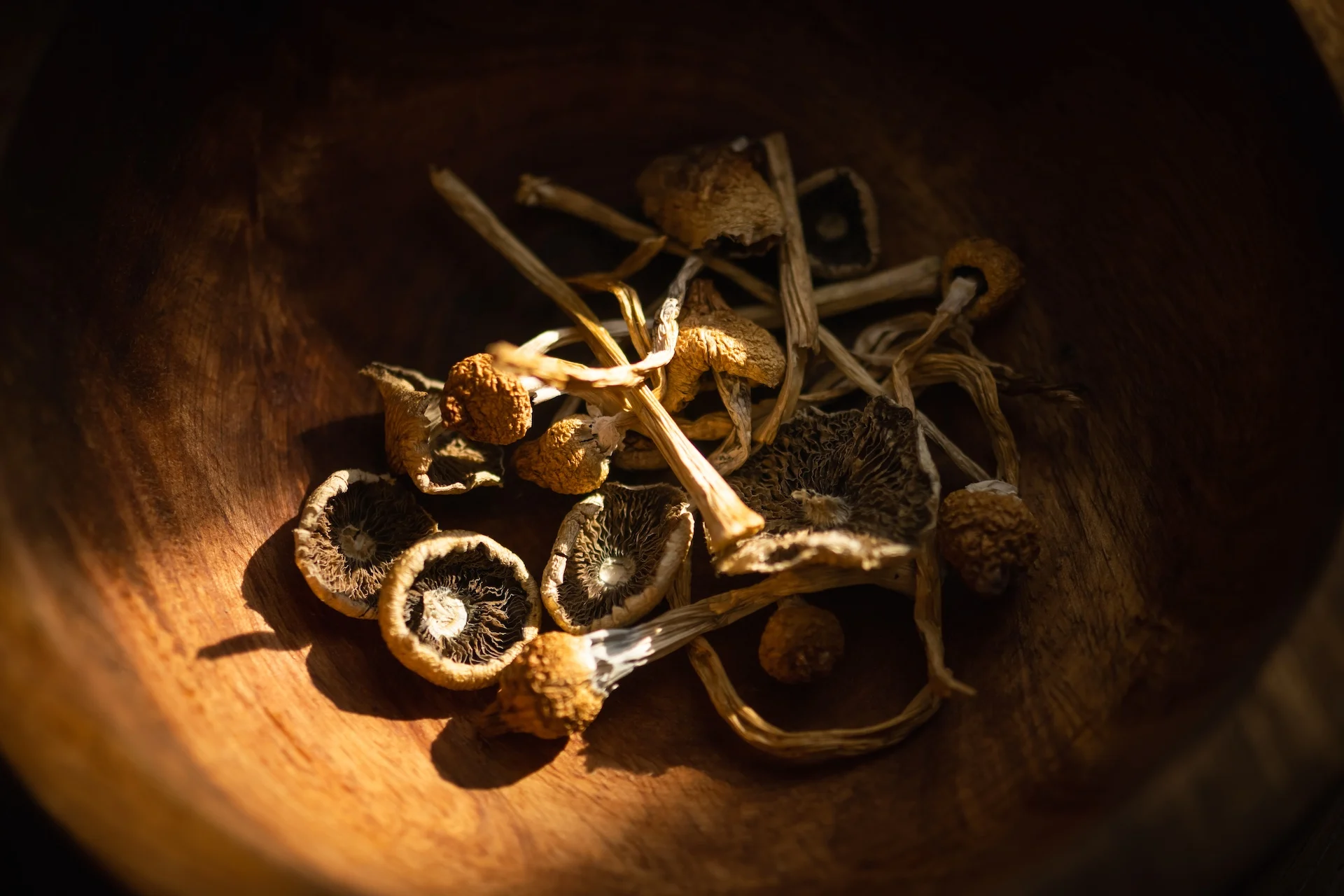
Magic mushrooms can cause lasting psychological changes including flashbacks, persistent perceptual disorders, and increased anxiety or depression, especially with frequent use or high doses.

I've worked with many individuals who experimented with psilocybin mushrooms thinking the effects would be temporary, only to discover that some changes lingered far longer than expected. While magic mushrooms are often portrayed as relatively safe compared to other substances, the long-term side effects deserve honest, compassionate discussion—particularly when considering comprehensive addiction treatment approaches.
The conversation around psychedelics has shifted dramatically in recent years. With clinical trials exploring therapeutic applications, it's easy to overlook the very real risks that come with unsupervised use. My role isn't to judge anyone who's used mushrooms, but to provide clear information about what can happen when use becomes frequent or problematic.
What Happens in Your Brain During Mushroom Use
Psilocybin, the active compound in magic mushrooms, converts to psilocin in your body. This substance binds to serotonin receptors, particularly the 5-HT2A receptor, creating profound changes in perception, mood, and cognition.
During a trip, users typically experience visual distortions, altered sense of time, emotional intensity, and sometimes spiritual or mystical feelings. According to the National Institute on Drug Abuse, these acute effects usually last 4-6 hours, but the story doesn't always end there.
Your brain is remarkably adaptable, and repeated exposure to powerful psychoactive substances can create lasting changes in neural pathways and receptor sensitivity. This neuroplasticity works both ways—it's how we learn and grow, but also how harmful patterns can become entrenched.
Persistent Perceptual Changes After Mushroom Use
One of the most concerning long-term effects I've seen is Hallucinogen Persisting Perception Disorder, commonly known as HPPD. This condition causes visual disturbances long after the mushroom experience has ended.
People with HPPD describe seeing:
Halos or auras around objects
Trails following moving objects
Geometric patterns in their peripheral vision
Intensified colors or textures
"Static" or "snow" in their visual field
Afterimages that persist longer than normal
These symptoms can be mild and occasional, or severe enough to interfere with daily functioning. I've worked with clients who struggled to drive at night or concentrate at work because of persistent visual disturbances.
The exact mechanism behind HPPD remains unclear, but research suggests it may involve lasting changes to visual processing pathways in the brain. Some cases resolve within months, while others persist for years or become permanent.

We’re Here To Help You Find Your Way
Would you like more information about magic mushrooms? Reach out today.
Psychological and Emotional Long-Term Effects
Beyond visual changes, frequent mushroom use can create lasting psychological effects that significantly impact quality of life.
Increased Anxiety and Paranoia
Some individuals develop persistent anxiety after mushroom use, particularly if they experienced a frightening or overwhelming trip. When these symptoms persist, professional mental health treatment becomes essential. This anxiety can manifest as:
Generalized worry and unease
Social anxiety or fear of losing control
Panic attacks triggered by reminders of the experience
Hypervigilance about mental state
One client described feeling like he could "slip back into a trip" at any moment, creating constant background anxiety that affected his relationships and career.
Depression and Emotional Instability
While some research explores psilocybin's potential for treating depression, unsupervised use can have the opposite effect. I've seen individuals develop or worsen mood disorders after frequent mushroom use, including:
Persistent low mood and anhedonia
Difficulty finding meaning or pleasure in everyday activities
Emotional numbness or detachment
Increased suicidal ideation in vulnerable individuals
The contrast between the intense emotional experiences during trips and the flatness of ordinary life can become deeply distressing.
Depersonalization and Derealization
These dissociative symptoms involve feeling disconnected from yourself or perceiving the world as unreal. Some mushroom users report ongoing feelings of:
Watching themselves from outside their body
Feeling like life is a dream or simulation
Emotional detachment from loved ones
Questioning the nature of reality in distressing ways
While philosophical questions can be enriching, persistent depersonalization interferes with connection, intimacy, and emotional well-being.
Cognitive Changes From Repeated Mushroom Use
The impact on thinking patterns and cognitive function varies widely among users, but certain changes appear more common with frequent use.
Memory and Concentration Issues
Some individuals report ongoing difficulties with:
Short-term memory formation
Maintaining focus on tasks
Following conversations or complex information
Organizing thoughts and planning
These cognitive effects may reflect changes in prefrontal cortex function or disrupted neural connectivity patterns that regulate attention and executive function.
Thought Pattern Disruptions
Mushrooms can create lasting changes in how people think and process information. While some describe enhanced creativity, others experience:
Racing or scattered thoughts
Difficulty with linear, logical thinking
Intrusive thoughts or mental loops
Confusion between internal experiences and external reality
I've worked with young adults who struggled to complete their education after frequent mushroom use because their thinking became too disorganized and abstract for academic demands.

We’ll Lead You to New Heights
Do you have more questions about magic mushrooms? Reach out.
Risk Factors That Increase Long-Term Side Effects
Not everyone who uses mushrooms experiences lasting effects, but certain factors increase vulnerability.
Frequency and Dosage: Regular use, particularly at high doses, increases risk of persistent changes. The brain needs time to recalibrate between experiences.
Age of First Use: Younger users, particularly adolescents whose brains are still developing, appear more vulnerable to lasting cognitive and psychological effects.
Underlying Mental Health Conditions: People with personal or family history of psychotic disorders, bipolar disorder, or severe anxiety disorders face higher risks of adverse outcomes.
Polydrug Use: Combining mushrooms with other substances, including cannabis, alcohol, or stimulants, compounds risks and complicates the neurological picture.
Set and Setting: Use in unsafe or stressful environments, without proper support, increases likelihood of traumatic experiences that create lasting psychological effects.
The Psychosis Question
One of the most serious potential long-term effects is drug-induced psychosis or the unmasking of latent psychotic disorders. While relatively rare, I've seen devastating cases where mushroom use triggered persistent psychotic symptoms.
Symptoms can include:
Delusions or fixed false beliefs
Hallucinations in multiple sensory modalities
Disorganized speech and behavior
Severe paranoia
Loss of insight into one's condition
For individuals with genetic vulnerability to schizophrenia or other psychotic disorders, even a single mushroom experience can sometimes act as a trigger that precipitates a lasting condition. Research from the Substance Abuse and Mental Health Services Administration indicates this risk is particularly concerning for young adults in the typical age range for psychotic disorder onset.
We’re Here To Help You Find Your Way
Do you need advice about magic mushrooms? Reach out today.
Physical Health Considerations
While mushrooms aren't considered physically toxic in the way some substances are, long-term use patterns can create indirect physical health effects.
Some users develop problematic relationships with mushrooms that interfere with self-care, leading to:
Poor nutrition and sleep hygiene
Neglect of medical conditions
Reduced physical activity
Social isolation
Additionally, the psychological effects described above—anxiety, depression, cognitive issues—often manifest with physical symptoms like fatigue, headaches, digestive problems, and weakened immune function.
There's also the risk of consuming poisonous mushrooms by mistake, which can cause severe organ damage or death. Even experienced foragers sometimes misidentify species.
Flashbacks and Intrusive Re-Experiencing
Different from HPPD, some people experience spontaneous recurrence of trip-like states without taking mushrooms. These flashbacks can be triggered by:
Stress or emotional intensity
Certain visual stimuli or environments
Cannabis use
Sleep deprivation
Seemingly random triggers
These episodes typically last minutes to hours but can be extremely distressing, especially when they occur unexpectedly during work, driving, or important life moments.
I worked with a young woman who experienced intense flashbacks during her graduate school exams, jeopardizing her academic progress and creating severe test anxiety.
We’ll Lead You to New Heights
Would you like more information about magic mushrooms? Reach out today.
Impact on Relationships and Life Functioning
The long-term psychological and cognitive effects often create ripple effects across someone's life. I've seen relationships strain when one partner undergoes personality changes or becomes emotionally distant after frequent mushroom use.
Career trajectories can be affected when cognitive difficulties interfere with job performance. The existential questions and altered perspective that mushrooms can create sometimes lead people to make impulsive life decisions they later regret.
For some, mushrooms become a way of avoiding difficult emotions or life challenges rather than facing them directly. This avoidance pattern can prevent personal growth and delay addressing underlying mental health needs.
What the Research Actually Shows
Clinical studies on psilocybin are typically conducted under controlled conditions with careful screening, preparation, integration support, and medical supervision. These findings don't necessarily apply to recreational use.
Research suggests that when properly administered, psilocybin-assisted therapy may help some people with treatment-resistant depression, anxiety, or addiction. However, these studies explicitly exclude individuals at risk for psychosis and provide extensive psychological support.
The long-term safety profile of unsupervised, repeated recreational use remains poorly understood. Most adverse effect reports come from emergency departments and case studies rather than systematic research.
What we do know is that negative long-term outcomes, while not universal, occur frequently enough to warrant serious consideration.
When Mushroom Use Becomes Problematic
While physical dependence on psilocybin is rare, psychological patterns can develop that mirror addiction. Warning signs include:
Using mushrooms to escape problems or difficult emotions
Continuing use despite negative consequences
Prioritizing mushroom experiences over responsibilities
Difficulty reducing or stopping use despite wanting to
Losing interest in activities once enjoyed
Relationships suffering due to use patterns
Some people develop what I call "psychedelic spirituality bypass"—using mystical experiences to avoid doing the difficult psychological work of healing trauma, building healthy relationships, or developing practical life skills.
Supporting Recovery From Long-Term Effects
If you're experiencing persistent side effects from mushroom use, please know that help is available and recovery is possible. Understanding what rehab involves can be an important first step toward healing.
Medical Evaluation: Start with a thorough assessment by a healthcare provider familiar with substance-induced conditions. Some symptoms may require medication or specific treatments.
Mental Health Support: Evidence-based therapy approaches can help process difficult experiences, develop coping strategies, and address underlying issues that may have contributed to use patterns.
Lifestyle Changes: Prioritizing sleep, nutrition, exercise, and stress management supports brain healing and symptom reduction.
Abstinence from Substances: Avoiding all psychoactive substances, including cannabis and alcohol, often helps symptoms resolve more quickly.
Patience: The brain has remarkable healing capacity, but recovery takes time. Many symptoms improve gradually over months or years.
I've witnessed many people recover fully from concerning long-term effects, particularly when they commit to treatment and give their brains time to heal.
Creating Space for Honest Conversations
The psychedelic renaissance has brought valuable research attention to these compounds, but it's also created a culture that sometimes minimizes real risks. According to Johns Hopkins Medicine research, we can acknowledge potential therapeutic applications while also being honest about what can go wrong.
If you're struggling with long-term effects from mushroom use, you're not alone, and you don't deserve judgment. The path forward involves compassionate support, evidence-based treatment, and patience with the healing process.
Your brain is resilient. With proper care and time, recovery from even significant long-term effects is possible for most people.
We’re Here To Help You Find Your Way
If you or a loved one is struggling with addiction, there is hope. Our team can guide you on your journey to recovery. Call us today.
Written by

The Edge Treatment Center
Reviewed by
 Jeremy Arzt
Chief Clinical Officer
Drug and Alcohol
December 21, 2025