Drug and Alcohol
Kratom Treatment Options Explained
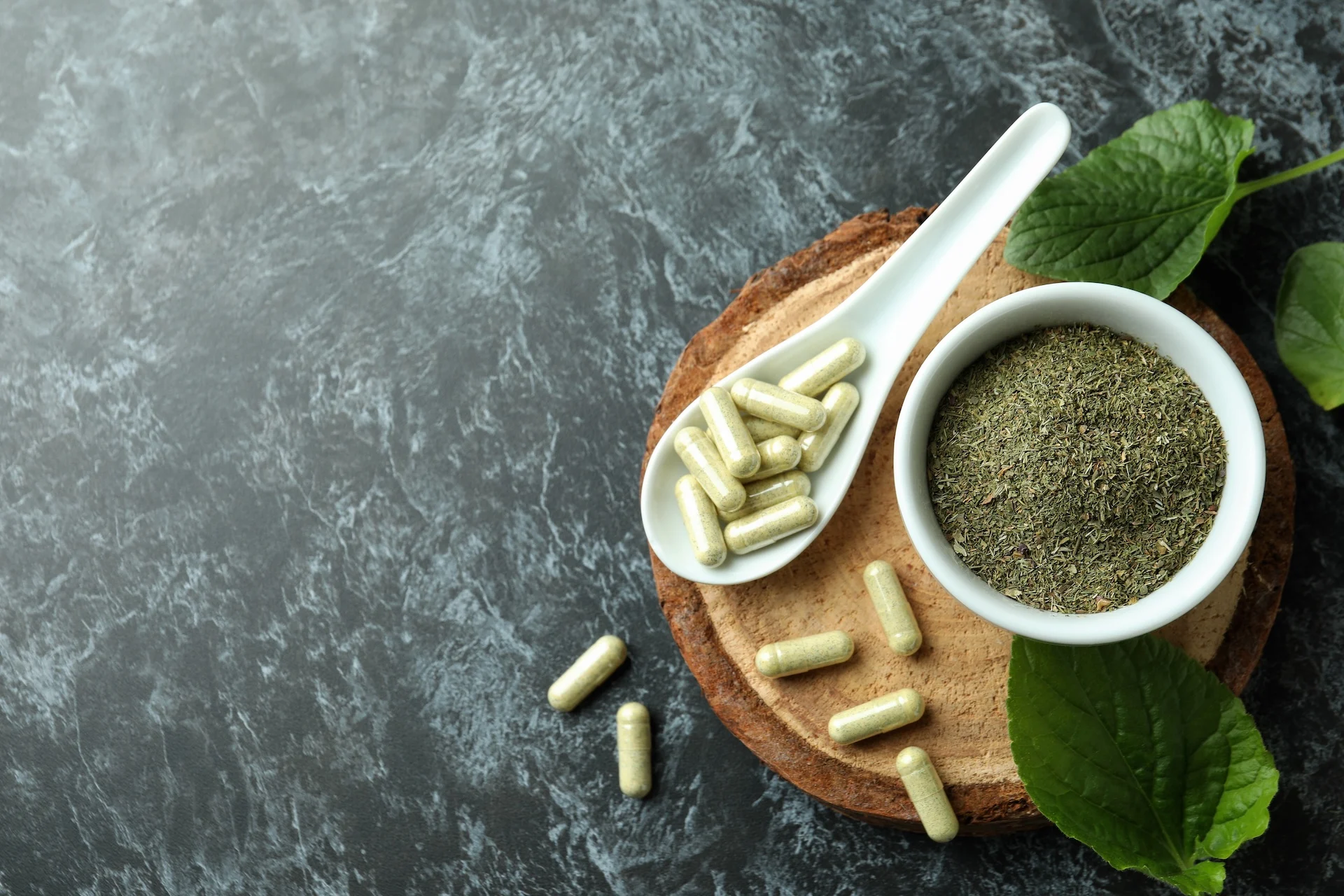
Kratom dependence is treatable. See evidence-informed options for tapering, withdrawal relief, and counseling, and learn what approaches can backfire.

The most effective kratom treatment is a clinician-guided taper or detox plus therapy and support, not DIY “detox kits,” rapid cleanses, or swapping to stronger extracts.
If you are trying to figure out what help for kratom actually looks like, you are not alone. I hear the same questions in my office: “Is this really addiction?” “Will withdrawal be awful?” “Do I need rehab?”
Early in the process, it helps to understand what treatment is and is not. If you are unsure what a structured program involves, start with this plain-language guide to what rehab is like. Many people are relieved to learn it is more support than punishment.
You can also get a broad view of care options on our addiction treatment page. I will keep this article focused on kratom, but the same recovery principles apply.
What Is Kratom, And Why Can It Be Hard To Stop?
Kratom is an herbal product from the Mitragyna speciosa tree. People use it for energy, mood, pain, anxiety, or to blunt opioid withdrawal.
For a grounded overview of what is known (and what is not), I often share the National Institute on Drug Abuse overview of kratom and the NIH NCCIH kratom safety summary.
At low amounts, many people feel stimulated. At higher amounts, it can feel sedating or opioid-like.
The “hard to stop” part usually comes from three forces working together:
Tolerance: You need more to get the same effect.
Withdrawal: You feel sick or emotionally flooded when you cut back.
Reinforcement: It becomes your quickest way to cope with stress, pain, or low mood.
Another complication is that kratom products are not standardized. Powders, capsules, shots, and extracts can vary widely in potency, and some products include additional substances.
That variability is part of why the FDA’s kratom safety updates repeatedly warn consumers about serious adverse events and the risks of unregulated products.
How Do I Know If I Need Treatment For Kratom?
In my chair as a therapist, I focus less on labels and more on impact. If kratom is costing you health, relationships, money, or peace of mind, it is worth treating.
Common signs kratom use has crossed into a disorder include:
You have tried to quit or cut down and could not
You use more than you planned, or use earlier in the day
You feel anxious, depressed, or irritable without it
You keep using despite side effects (constipation, nausea, sleep problems, heart racing)
You hide use, stash it, or panic about running out
You avoid travel or events because of dosing schedules
If you are wondering whether you fit a broader pattern of substance use problems, you can start with our quick self-check, Am I an addict? It is not a diagnosis, but it can clarify your next step.

We’re Here To Help You Find Your Way
Would you like more information about kratom? Reach out today.
What Does Kratom Withdrawal Feel Like?
People often expect withdrawal to be purely physical, but kratom withdrawal is frequently a mix of body symptoms and emotional symptoms.
Physical symptoms can include:
Runny nose, watery eyes, yawning
Sweats, chills, temperature swings
Muscle aches, restless legs
Nausea, diarrhea, stomach cramping
Headache, fatigue
Sleep disruption
Emotional and mental symptoms can include:
Anxiety or panic
Irritability, anger, agitation
Low mood, tearfulness
Strong cravings, feeling “wired but exhausted”
Brain fog and poor concentration
A common pattern is this: a person stops, feels edgy and sick, sleeps poorly for a few nights, then uses again just to feel normal. That loop is not a character flaw. It is withdrawal plus conditioning.
What Works Best For Kratom Treatment?
Kratom treatment works when it targets both sides of the problem:
Physical dependence (tolerance and withdrawal)
The reasons you kept using (stress, trauma, anxiety, pain, loneliness, depression)
That is why a good plan usually combines medical support with therapy. If you want an overview of the therapy approaches we commonly use, visit types of therapy.
Below are the options that tend to help most, and when they are a good fit.
Medically Supported Detox When Withdrawal Is Intense
Detox is not “the treatment.” Detox is the medical bridge that gets you stable enough to do the real work.
Consider medically supported detox when:
You are using concentrated extracts or shots
You wake up in withdrawal, or dose through the night
You have severe anxiety, panic, or depression when you stop
You have a history of seizures, heart rhythm problems, or complex medical conditions
You are mixing kratom with alcohol, benzodiazepines, opioids, or other drugs
In detox, the goal is comfort and safety. Clinicians may use non-addictive medications for nausea, diarrhea, sweating, blood pressure surges, pain, and sleep.
If you have ever tried to white-knuckle through withdrawal and relapsed on day two or three, that is a signal to upgrade the level of support.
Therapy That Targets Cravings And Triggers
Even if withdrawal is the loudest problem right now, cravings are what pull people back later.
The therapies I see help most often are:
Motivational interviewing: strengthens your own reasons to change
CBT: helps you spot the thought patterns that push you toward dosing
DBT skills: builds distress tolerance for anxiety, anger, and cravings
Trauma-informed therapy: reduces the emotional fuel that substances often soothe
If anxiety, depression, or trauma are part of the picture, integrated care matters. You can learn how we approach co-occurring concerns through our mental health treatment services.
Treating Co-Occurring Mental Health Conditions
Some people started kratom because they were trying to manage anxiety, panic, ADHD-like restlessness, chronic stress, or depressive symptoms.
If we only remove the kratom and do not treat the underlying condition, the craving makes sense. Your brain will reach for the fastest relief it knows.
If you suspect a diagnosable condition is in the mix, it can help to review our guide to mental disorders. Proper diagnosis is not about labeling you. It is about choosing the right tools.
Medication Options: When MAT Is Considered
There is no single FDA-approved “kratom medication.” But there are situations where clinicians consider medications used for opioid withdrawal or opioid use disorder, especially when kratom use is heavy, prolonged, or mixed with opioids.
In practice, there are two common medication approaches:
Symptom-targeted support (for sleep, nausea, diarrhea, autonomic symptoms)
Medications for opioid use disorder (MOUD) in more severe cases, often involving buprenorphine
This is not a DIY category. Taking someone else’s medication or starting and stopping buprenorphine without guidance can make things worse.
If your clinician brings up buprenorphine, it is usually because your withdrawal risk is high, your relapse risk is high, or both. There are published clinical case reports describing buprenorphine-naloxone approaches for kratom use disorder, including a family medicine case series.
Some clinicians also use decision-support tools as the field evolves, like the approach described in a Johns Hopkins report on a proposed kratom use disorder clinical algorithm.
Community And Recovery Support That Lasts
I have watched people do an excellent detox and relapse within a month because they went right back to the same isolation, the same stress, and the same routines.
Recovery sticks when you add protective structure:
Group therapy or peer support
Sober routines and accountability
Sleep, nutrition, movement
A plan for cravings and “bad days”
Some people benefit from stepping into a stable environment after treatment. Here is an overview of what sober living can offer when home is not yet the safest place to heal.

We’ll Lead You to New Heights
Do you have more questions about kratom? Reach out.
Taper Vs Detox Vs Rehab: How Do I Choose?
Here is a practical comparison in plain language.
A taper can work when:
Your use is moderate and predictable
You can measure and reduce doses reliably
You have strong support and low access to triggers
Detox is often needed when:
Withdrawal repeatedly derails you
You use extracts, high doses, or multiple daily doses
You have medical or psychiatric risk factors
Residential rehab or a higher level of care may be best when:
You cannot stay stopped in your current environment
Kratom is part of a broader substance pattern
Mental health symptoms flare during withdrawal
You need time away from stressors to stabilize
If you are unsure where you fit, our drugs resource hub can help you compare substances and treatment approaches, especially if more than one substance is involved.
What Kratom Treatment Should Avoid
There are “treatment” ideas that sound appealing because they promise speed and control. In real life, they often increase risk.
Here are the big ones I caution people against.
Avoid Rapid Detox Promises And Unregulated “Detox Kits”
If a product promises to “flush” kratom from your system or “reset your receptors,” be skeptical.
Common problems include:
Unknown ingredients or stimulant additives
Dehydration from aggressive laxatives or diuretics
Rebound anxiety and insomnia that drives relapse
Your body does not need a cleanse. It needs support while your nervous system recalibrates.
Avoid Switching To Stronger Extracts To “Taper”
This is one of the most common traps.
People try to cut powder and replace it with shots or extracts because the dose looks smaller. But extracts can be far more potent, and dependence can deepen quickly.
If you are tapering, use a consistent product and measure carefully. If you are already on extracts, that is a strong reason to get medical help.
Avoid Mixing Kratom With Alcohol Or Sedatives
Kratom plus alcohol, benzodiazepines, or other sedatives increases the risk of dangerous sedation, breathing problems, and accidents.
If mixing is happening, please treat this as higher risk and consider a medically supported plan.
Avoid Mega-Dosing Over-The-Counter Medications
I sometimes hear about people taking very high amounts of anti-diarrheal medication or sleep aids to “power through” withdrawal.
This can cause serious medical complications, including heart rhythm problems. Withdrawal is miserable, but it is not worth trading for a medical emergency.
Avoid Going Cold Turkey If You Have High-Risk Factors
Some people can stop abruptly and recover with support. Others end up in a cycle of severe insomnia, panic, and repeated relapse.
Be cautious with cold turkey if:
You use multiple times daily or wake up in withdrawal
You have significant depression, panic, or trauma symptoms
You have heart, liver, or seizure history
You are pregnant or recently postpartum
A slower, supported approach is not “weak.” It is strategic.
We’re Here To Help You Find Your Way
Do you need advice about kratom? Reach out today.
A Step-By-Step Plan To Quit Kratom Safely
When someone is overwhelmed, I like to simplify the process into steps you can actually follow.
Step 1: Get A Clear Baseline
For 3 to 5 days, track:
What you use, how much, and when
Triggers (stress, pain, social anxiety, boredom)
What symptoms show up between doses
This turns “I think I use a lot” into real data, which makes treatment safer.
Step 2: Choose Your Support Level
Pick the lowest level of care that is still safe.
If withdrawal is mild and you are stable, consider a structured taper with outpatient support.
If withdrawal is severe, consider medically supported detox.
If your environment is chaotic or unsafe, consider residential treatment.
Step 3: Build A Withdrawal Comfort Kit That Is Evidence-Based
This is not a supplement shopping spree. Think basics:
Hydration and electrolytes
Easy-to-digest foods
A simple sleep routine (dark room, consistent wake time)
Movement for restlessness (walks, stretching)
A person you can text when cravings spike
Step 4: Plan For The 3 Most Predictable Triggers
Most people have repeating trigger categories:
Body triggers: pain, fatigue, insomnia
Emotion triggers: anxiety, anger, sadness
Situation triggers: driving, work breaks, social settings
Write one plan for each. For example:
If anxiety spikes, I do 10 minutes of paced breathing, then I call someone before I decide to dose.
If insomnia hits, I get out of bed after 20 minutes, read something boring, then try again.
If cravings hit on the drive home, I take a different route and listen to a recovery podcast.
Step 5: Start Therapy Before You Feel “Ready”
People often say, “I will start therapy after I quit.” I prefer the opposite.
Therapy gives you tools for cravings, shame, relationship repair, and relapse prevention while you are tapering or stabilizing.
Step 6: Make A Relapse Plan, Not A Shame Plan
Relapse risk is highest when your plan is built on perfection.
A relapse plan includes:
The top 5 warning signs you are slipping
The first 3 people you will tell
The next appointment you will schedule
One concrete change you will make (increase care level, add groups, remove access)
What To Say If You Are A Loved One
Families often feel helpless, then swing toward pressure or panic. I understand the urgency, but shame rarely changes behavior.
Here is a script that is firm and kind:
“I love you, and I am worried about what kratom is doing to your health.”
“I am not here to argue about whether it counts as a drug. I am here because you seem stuck.”
“Would you be open to talking with a professional about a taper or detox plan?”
“I will support treatment. I will not support hiding, lying, or spending that harms our family.”
If you need more practical guidance on how treatment works, insurance questions, and what to expect, our FAQ is a helpful starting point.
We’ll Lead You to New Heights
Would you like more information about kratom? Reach out today.
What If I Started Kratom To Get Off Opioids?
This is more common than people think.
I will say this gently: swapping one dependence for another is not the long-term solution, even if it started as harm reduction.
If kratom helped you step away from opioids, that is meaningful. The next step is building a medically sound recovery plan that does not depend on an unregulated product.
A clinician can help you weigh:
Whether you are truly opioid-free, or still at risk
Whether MOUD is appropriate
How to taper kratom without destabilizing your nervous system
How Long Does Kratom Recovery Take?
Withdrawal often improves over days to a couple of weeks, depending on dose, product type, metabolism, and overall health.
But recovery is bigger than withdrawal. Cravings and mood swings can show up later, especially during stress.
I encourage people to think in phases:
Stabilization: get through withdrawal and restore sleep
Skill-building: learn coping strategies that replace dosing
Repair: relationships, routines, and physical health
Maintenance: relapse prevention and long-term support
One of my clients once told me, “The first week was my body screaming. The second month was my life asking for new answers.” That is the shift we plan for in treatment.
When To Seek Urgent Medical Help
Even though kratom is often marketed as “natural,” some situations require urgent care.
Seek emergency evaluation if someone has:
Trouble breathing, severe sedation, or cannot stay awake
Chest pain, fainting, or a dangerously fast heartbeat
Seizure activity
Severe confusion, hallucinations, or agitation
Suicidal thoughts, self-harm urges, or sudden severe depression
If you are unsure, it is better to be evaluated than to guess.
What A Strong Kratom Treatment Plan Looks Like In Real Life
A practical, effective plan usually includes:
A medical assessment and an honest use history
A taper or detox strategy that matches your risk level
Therapy for cravings, stress, and the underlying drivers
Support for co-occurring mental health needs
A recovery routine that includes community and accountability
If you are reading this and thinking, “I am exhausted,” I want you to know something I tell people every day: needing support is not failure. It is the beginning of a different pattern.
And yes, kratom dependence is treatable. With the right plan, people get their mornings back, their sleep back, their relationships back, and most importantly, their sense of choice back.
We’re Here To Help You Find Your Way
If you or a loved one is struggling with addiction, there is hope. Our team can guide you on your journey to recovery. Call us today.
Written by

The Edge Treatment Center
Reviewed by
 Jeremy Arzt
Chief Clinical Officer
Drug and Alcohol
January 7, 2026