Opioid Addiction - Drug and Alcohol
Is Heroin an Opioid?
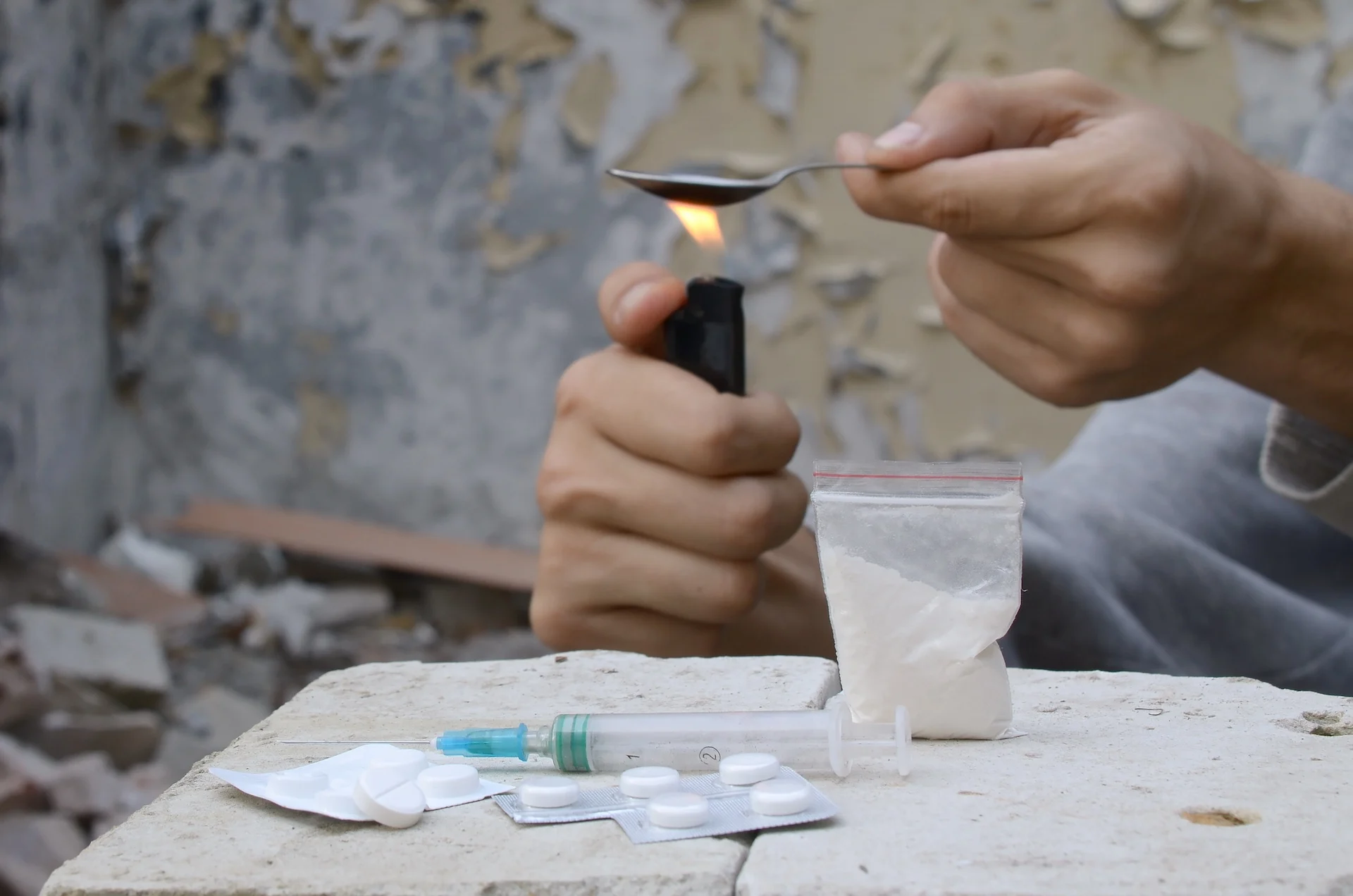
Yes, heroin is an opioid. Learn how this semi-synthetic drug affects your brain, why it's classified as Schedule I, and what evidence-based treatment options can help you recover from heroin addiction.

Yes, heroin is an opioid drug. Heroin belongs to the opioid class of substances, which includes both prescription pain medications and illegal drugs that affect the brain's opioid receptors.
Understanding what heroin is and how it fits into the broader category of opioids can help you or your loved one make informed decisions about opioid addiction treatment and recovery.
What Makes Heroin an Opioid?
Heroin is classified as a semi-synthetic opioid. This means it's made in laboratories by chemically processing natural opioids derived from the opium poppy plant. Specifically, heroin (also known as diacetylmorphine) is created by modifying morphine, a naturally occurring substance extracted from opium poppy seed pods.
The drug falls into the same category as other opioids because of how it works in the body. When you take heroin, it enters your bloodstream and travels to your brain, where it binds to opioid receptors. These are the same receptors that prescription pain medications like oxycodone and hydrocodone target.
This binding process triggers the release of dopamine and other neurotransmitters, creating feelings of euphoria and pain relief. However, it also disrupts normal brain function and can lead to physical dependence remarkably quickly.
How Heroin Differs From Other Opioids
While heroin shares the same classification as prescription opioids, several key differences set it apart:
Legal Status
Heroin is classified as a Schedule I controlled substance under federal law. This means the Drug Enforcement Administration has determined it has no accepted medical use in the United States and carries a high potential for abuse. In contrast, medications like oxycodone and fentanyl are Schedule II drugs, which can be prescribed for legitimate medical purposes despite their abuse potential.
Chemical Processing
Natural opioids come directly from the opium poppy plant. Semi-synthetic opioids like heroin are created by chemically modifying these natural compounds. Synthetic opioids like fentanyl are manufactured entirely in laboratories with no natural ingredients.
Potency and Speed
Heroin is engineered to cross the blood-brain barrier more rapidly than morphine. The two acetyl groups attached to the morphine molecule create a prodrug that delivers morphine to opioid receptors approximately twice as fast as morphine alone. This faster action contributes to heroin's intense rush and higher addiction potential.
Street Availability
Unlike prescription opioids obtained through medical channels, heroin is sold illegally and often contains unknown additives. Today's heroin supply frequently includes fentanyl, a synthetic opioid that's 50 to 100 times more potent than morphine, making overdose risk significantly higher.

We’re Here To Help You Find Your Way
Would you like more information about heroin? Reach out today.
The Connection Between Prescription Opioids and Heroin
Many people don't start with heroin. Research shows a concerning pattern: approximately 80 percent of people who use heroin first misused prescription opioids.
This progression often happens when someone develops tolerance to prescription pain medications. As prescriptions become harder to obtain or too expensive, some individuals turn to heroin as a more accessible and affordable alternative that produces similar effects.
Your brain doesn't distinguish between heroin and prescription opioids. Both substances activate the same neural pathways and opioid receptors. This similarity makes the transition from pills to heroin feel natural to someone already dependent on opioids, even though the legal and health risks escalate dramatically.
Understanding How Heroin Affects Your Brain and Body
When heroin enters your system, it rapidly converts back into morphine. This morphine then binds to opioid receptors located throughout your brain, spinal cord, and other areas of your body.
Short-Term Effects
In the immediate moments after use, you might experience:
A surge of euphoria (the "rush")
Dry mouth and heavy feeling in your arms and legs
Warm flushing of your skin
Clouded mental function
Slowed breathing and heart rate
Alternating between wakeful and drowsy states
These effects feel pleasurable initially, which is precisely what makes heroin so dangerous. Your brain begins associating the drug with reward, creating powerful cravings that drive continued use.
Long-Term Consequences
Repeated heroin use fundamentally changes how your brain functions. Over time, you may develop:
Physical dependence, where your body needs the drug to feel normal
Tolerance, requiring increasingly larger doses to achieve the same effects
Severe opioid use disorder (addiction)
Damaged veins and collapsed blood vessels (from injection)
Increased risk of infectious diseases like HIV and hepatitis C
Liver and kidney disease
Mental health conditions including depression and anxiety
Chronic constipation and other gastrointestinal problems
These aren't just potential risks. With continued use, many of these consequences become inevitable.

We’ll Lead You to New Heights
Do you have more questions about heroin? Reach out.
The Deadly Risk of Opioid Overdose
Heroin's classification as an opioid carries serious implications for overdose risk. All opioids affect the brain centers that control breathing. When someone takes too much, breathing can slow to dangerous or fatal levels.
Today's overdose crisis has been fueled largely by fentanyl contamination. Illicit fentanyl can be mixed into heroin or sold as heroin without the buyer's knowledge. Because fentanyl is exponentially more potent than heroin, even experienced users can easily miscalculate their dose and overdose.
Recognizing an Opioid Overdose
If you witness someone experiencing these symptoms, call 911 immediately:
Unconsciousness or inability to wake up
Very slow, shallow, or stopped breathing
Choking or gurgling sounds
Limp body
Pale, blue, or cold skin
Small, constricted "pinpoint" pupils
Naloxone (Narcan) can reverse an opioid overdose if administered quickly. This medication is available over the counter without a prescription and should be kept on hand by anyone who uses opioids or has loved ones who do.
Why Heroin Is Especially Addictive
Being an opioid doesn't automatically make a substance addictive, but heroin's specific properties create an exceptionally high risk for developing opioid use disorder.
The rapid onset of effects creates an intense association between use and reward in your brain. This powerful reinforcement drives compulsive drug-seeking behavior even when you want to stop.
Your brain's natural opioid system regulates pain, reward, and essential functions. When heroin floods this system repeatedly, your brain adapts by reducing its own production of natural endorphins and decreasing the number of opioid receptors. This neurological adaptation is why withdrawal feels so terrible and why staying sober feels so difficult without proper treatment.
We’re Here To Help You Find Your Way
Do you need advice about heroin? Reach out today.
Evidence-Based Treatment for Heroin Addiction
Understanding that heroin is an opioid helps explain why certain types of therapy and medications work so effectively in treatment.
Medication-Assisted Treatment
Three FDA-approved medications help normalize brain chemistry disrupted by opioid use:
Methadone is a long-acting opioid agonist that reduces cravings and withdrawal symptoms without producing the euphoric high of heroin. It must be dispensed through certified opioid treatment programs.
Buprenorphine partially activates opioid receptors, relieving withdrawal and cravings while creating a ceiling effect that prevents misuse. It can be prescribed in office settings, making it more accessible than methadone.
Naltrexone blocks opioid receptors entirely, preventing heroin and other opioids from having any effect. This medication requires complete detoxification before starting.
These medications aren't "replacing one drug with another." They're FDA-approved treatments that restore normal brain function while you work on the psychological and behavioral aspects of recovery.
Behavioral Therapies
Medication works best when combined with counseling and support. Mental health treatment addresses the underlying issues that contribute to substance use:
Cognitive-behavioral therapy helps you identify and change thought patterns that lead to drug use
Contingency management provides tangible rewards for staying drug-free
Motivational interviewing strengthens your internal commitment to change
Group therapy connects you with others who understand your experience
Family therapy repairs relationships and builds healthy support systems
The Importance of Comprehensive Care
Because heroin is an opioid with profound effects on brain chemistry, successful recovery requires more than just stopping use. What is rehab really about? It's about healing the whole person.
Quality treatment programs address:
Physical Health
Medical monitoring during detoxification ensures your safety as your body adjusts to functioning without heroin. Healthcare professionals can manage withdrawal symptoms and treat any medical complications from drug use.
Mental Health
Many people struggling with heroin addiction also experience co-occurring mental health conditions like depression, anxiety, or trauma. Addressing these conditions simultaneously, known as dual diagnosis treatment, significantly improves recovery outcomes.
Life Skills and Support
Recovery means building a new life where drugs no longer have a place. This includes developing healthy coping mechanisms, repairing relationships, finding meaningful work or education, and connecting with sober communities.
Ongoing Support
Opioid use disorder is a chronic condition that responds well to treatment but requires long-term management. Aftercare planning, support groups, and continued therapy help maintain recovery and prevent relapse.
We’ll Lead You to New Heights
Would you like more information about heroin? Reach out today.
Taking the First Step Toward Recovery
Now that you understand heroin is indeed an opioid and how it affects your brain and body, you can make informed decisions about treatment.
The thought of stopping can feel overwhelming, especially if you're concerned about withdrawal or don't believe recovery is possible. These fears are normal, but they shouldn't prevent you from getting the help you deserve.
Modern addiction treatment has come remarkably far. With the right combination of medication, therapy, and support, people recover from heroin addiction every day and go on to live fulfilling, drug-free lives.
If you're struggling with heroin use or prescription opioid addiction, reaching out for help is not a sign of weakness. It's a courageous step toward reclaiming your life and your future.
Professional treatment programs understand the complex nature of opioid addiction. They provide compassionate, evidence-based care that treats you as a whole person, not just a set of symptoms. Contact The Edge Treatment Center to learn about treatment options that can work for you.
You don't have to face this alone. Recovery is possible, and it starts with a single decision to ask for help.
We’re Here To Help You Find Your Way
If you or a loved one is struggling with addiction, there is hope. Our team can guide you on your journey to recovery. Call us today.
Written by

The Edge Treatment Center
Reviewed by
 Jeremy Arzt
Chief Clinical Officer
Opioid Addiction
Drug and Alcohol
December 11, 2025