Drug and Alcohol
Is Gabapentin an Opioid?
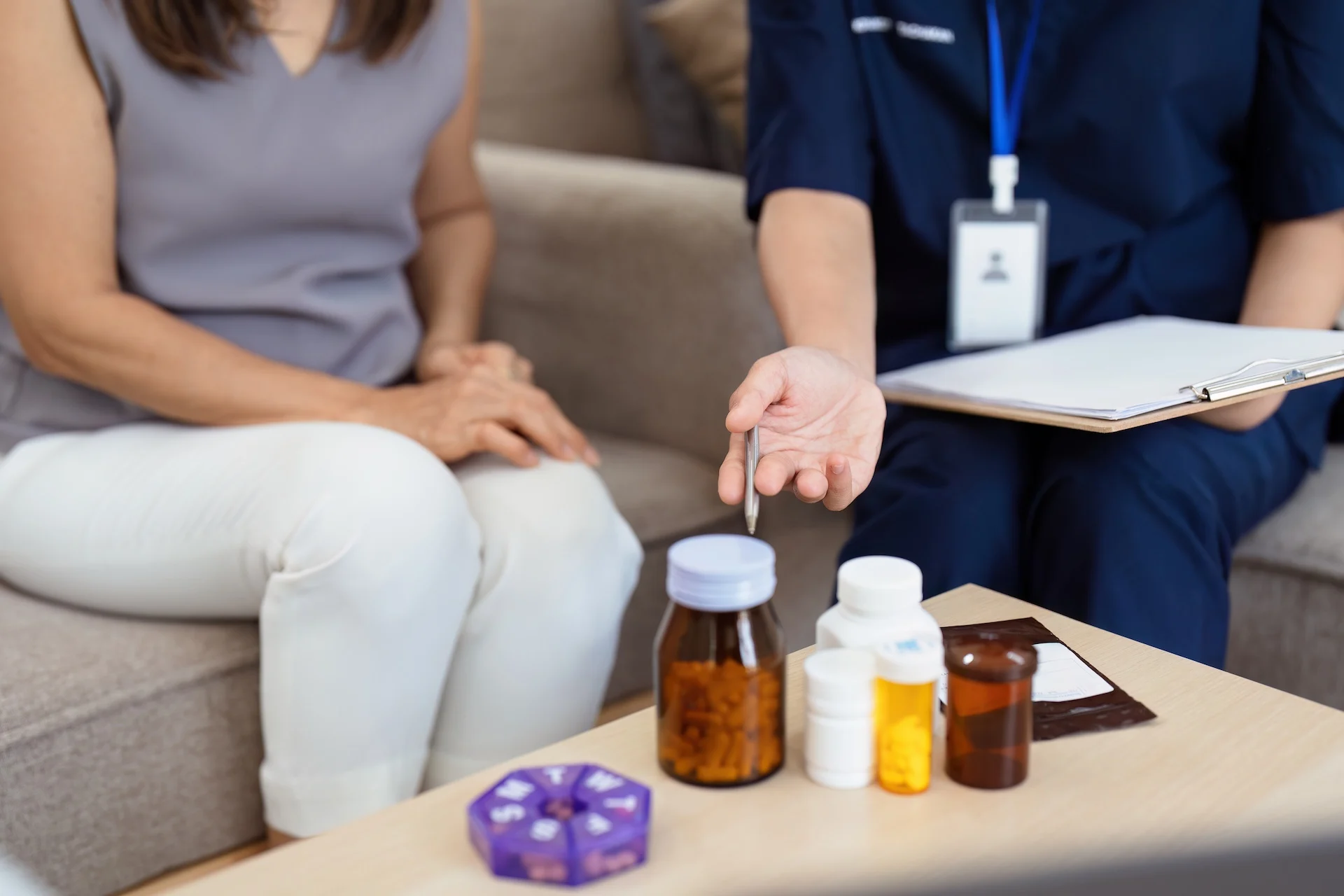
No, gabapentin is not an opioid, it's an anticonvulsant that treats seizures and nerve pain through different mechanisms. Learn the key differences and risks.

No, gabapentin is not an opioid, it's an anticonvulsant medication originally developed to treat seizures and nerve pain. While it works on the nervous system like opioids do, gabapentin operates through completely different mechanisms and belongs to a separate drug class. However, gabapentin has increasingly been misused alongside opioids, which has led to confusion about its classification and growing concerns about its abuse potential.
As someone who works daily with individuals navigating addiction and recovery, I've seen firsthand how misunderstandings about medications like gabapentin can create real risks. Many people assume that because gabapentin isn't an opioid, it's automatically safe or non-addictive. That's not entirely accurate.
Let me help you understand what gabapentin actually is, how it differs from opioids, and why this distinction matters for your health and recovery.
What Gabapentin Actually Is
Gabapentin, sold under brand names like Neurontin and Gralise, belongs to a class of medications called gabapentinoids or anticonvulsants. The FDA originally approved it in 1993 for treating epilepsy and postherpetic neuralgia—the nerve pain that follows shingles.
Today, doctors prescribe gabapentin for numerous conditions:
Chronic nerve pain (neuropathy)
Fibromyalgia symptoms
Restless leg syndrome
Migraine prevention
Anxiety disorders (off-label)
Alcohol withdrawal symptoms (off-label)
The medication works by affecting calcium channels in your brain and nervous system, which helps calm overactive nerve signals. This mechanism is fundamentally different from how opioids function.
How Gabapentin Differs From Opioids
Understanding the distinction between gabapentin and opioids requires looking at how each medication affects your body.
Mechanism of Action
Opioids bind to specific opioid receptors throughout your brain, spinal cord, and other areas. This binding blocks pain signals and triggers the release of dopamine, creating feelings of euphoria and pain relief. Common opioids include prescription painkillers like oxycodone, hydrocodone, and morphine, as well as illegal substances like heroin.
Gabapentin doesn't touch opioid receptors. Instead, it binds to calcium channels on nerve cells, reducing the release of excitatory neurotransmitters. This calms nerve activity without producing the same dopamine surge that makes opioids so addictive.
Addiction Potential
While opioids carry extremely high addiction risk due to their effects on the brain's reward system, gabapentin's addiction potential is considerably lower. According to the National Institute on Drug Abuse, opioids remain one of the most addictive substances known to medicine.
That said, gabapentin is not without abuse potential. Some individuals, particularly those with histories of substance use disorders, have discovered that taking high doses of gabapentin can produce mild euphoric effects. This has led to increasing misuse patterns.
Withdrawal Symptoms
Opioid withdrawal can be intensely uncomfortable, causing symptoms like severe pain, nausea, vomiting, anxiety, insomnia, and powerful cravings. While rarely life-threatening, opioid withdrawal drives many people back to using.
Gabapentin withdrawal tends to be milder but can still occur with prolonged use, especially at higher doses. Symptoms may include anxiety, insomnia, nausea, sweating, and restlessness. Suddenly stopping gabapentin after extended use isn't recommended—tapering under medical supervision is safer.

We’re Here To Help You Find Your Way
Would you like more information about gabapentin? Reach out today.
Why the Confusion Exists
Several factors have blurred the lines between gabapentin and opioids in many people's minds.
Co-Prescription Patterns
Doctors frequently prescribe gabapentin alongside opioids for chronic pain management. This combination can reduce the amount of opioids needed for pain control, which seems beneficial. However, research from the Centers for Disease Control and Prevention suggests that combining gabapentin with opioids may increase overdose risk.
When patients take both medications together, the confusion about which is which becomes understandable.
Misuse Alongside Opioids
In recovery communities and among people who misuse substances, gabapentin has earned street names like "gabbies" or "johnnies." Some individuals take high doses of gabapentin to enhance opioid effects or to manage withdrawal symptoms when opioids aren't available.
This pattern of combined misuse has strengthened the false association between the two drug classes.
Increasing Regulatory Attention
Several states have begun classifying gabapentin as a controlled substance due to rising abuse concerns. Michigan, Kentucky, Tennessee, Virginia, and West Virginia have added gabapentin to their prescription monitoring programs.
This regulatory response to misuse has inadvertently suggested to some people that gabapentin must be similar to controlled substances like opioids.
The Real Risks of Gabapentin
Just because gabapentin isn't an opioid doesn't mean it's risk-free. Understanding these dangers helps you make informed decisions about your health.
Physical Dependence Can Develop
Your body can become physically dependent on gabapentin with regular use over time. This means you may experience withdrawal symptoms if you stop taking it suddenly. Physical dependence isn't the same as addiction, but it does require careful medical management when discontinuing the medication.
Overdose Risk When Combined
Taking gabapentin alone rarely causes fatal overdoses. However, combining it with opioids, benzodiazepines, or alcohol significantly increases respiratory depression risk. This combination has contributed to overdose deaths.
Research published by the BMJ found that gabapentin use among people prescribed opioids was associated with increased overdose risk compared to opioid use alone.
Side Effects to Monitor
Common gabapentin side effects include:
Dizziness and drowsiness
Coordination problems
Fatigue
Blurred vision
Memory difficulties
Mood changes
These effects can impair your ability to drive, work, or function safely in daily life.
Misuse Patterns in Recovery
I've worked with individuals in addiction treatment who believed gabapentin was a "safe" alternative because it wasn't an opioid. Some continued taking increasingly high doses without medical supervision, developing problematic use patterns that complicated their recovery.
Gabapentin misuse can indicate deeper struggles with substance use disorders that need professional attention.

We’ll Lead You to New Heights
Do you have more questions about gabapentin? Reach out.
How Gabapentin Is Used in Addiction Treatment
Interestingly, gabapentin plays a legitimate role in treating certain aspects of addiction—when used appropriately under medical supervision.
Managing Withdrawal Symptoms
Some treatment programs use gabapentin to ease alcohol withdrawal symptoms. Studies suggest it may reduce cravings and withdrawal discomfort during early recovery from alcohol use disorder.
For opioid withdrawal, gabapentin sometimes helps manage symptoms like restlessness, anxiety, and nerve pain, though it's not a primary withdrawal medication like buprenorphine or methadone.
Treating Co-Occurring Conditions
Many people struggling with addiction also experience mental health conditions like anxiety, which gabapentin may help address. Treating these co-occurring issues supports overall recovery.
However, prescribing gabapentin to someone with active substance use disorder requires careful consideration and monitoring due to misuse potential.
Not a Substitute for Evidence-Based Treatment
Gabapentin is a tool, not a solution. Comprehensive addiction treatment includes various types of therapy, peer support, lifestyle changes, and addressing underlying trauma or mental health concerns.
Medication alone, whether gabapentin, opioid replacement therapy, or anything else, works best when integrated into a complete treatment approach.
What This Means for Your Health Decisions
If you're currently taking gabapentin or considering it, here's what you need to know.
Take It Exactly as Prescribed
Don't adjust your gabapentin dose without consulting your healthcare provider. Taking more than prescribed increases side effect risks and potential for dependence.
Be Honest About Substance Use History
If you have a history of substance use disorders, tell your doctor before starting gabapentin. This information helps them make safer prescribing decisions and monitor you more closely.
Never Share Your Medication
Gabapentin prescribed for your specific condition may not be safe for someone else. Sharing prescription medications contributes to misuse problems.
Avoid Alcohol and Other Substances
Combining gabapentin with alcohol, opioids, or other central nervous system depressants creates dangerous interactions. These combinations can slow your breathing to life-threatening levels.
Don't Stop Suddenly
If you've been taking gabapentin regularly and want to stop, work with your doctor to taper gradually. Sudden discontinuation can trigger uncomfortable withdrawal symptoms.
We’re Here To Help You Find Your Way
Do you need advice about gabapentin? Reach out today.
When to Seek Help
Certain situations require immediate professional support.
Signs of Gabapentin Misuse
Watch for these warning signs in yourself or loved ones:
Taking higher doses than prescribed
Running out of medication early
Seeking gabapentin from multiple doctors
Taking gabapentin to get high or enhance other substances
Continuing use despite negative consequences
If You're Struggling With Addiction
Recognizing problematic substance use takes courage. If gabapentin has become part of a larger pattern of substance misuse, or if you're using it to cope with opioid addiction, professional help can make all the difference.
Comprehensive treatment addresses not just the substances you're using but also the underlying pain, trauma, or mental health concerns driving that use. Recovery is possible, and you don't have to navigate it alone.
Finding the Right Support
Quality addiction treatment programs offer individualized care that may include:
Medical detoxification with 24/7 support
Evidence-based therapies like cognitive-behavioral therapy
Treatment for co-occurring mental health disorders
Peer support and community connection
Aftercare planning for sustained recovery
Whether you're concerned about gabapentin specifically or struggling with opioid addiction, reaching out for help is a sign of strength, not weakness.
Understanding Leads to Safer Choices
Gabapentin is not an opioid, but that doesn't automatically make it safe for everyone or free from abuse potential. This medication serves important medical purposes when used appropriately, yet it also carries risks—especially for individuals with substance use histories or those combining it with other substances.
The key is approaching any medication with clear information and honest communication with healthcare providers. If you're using gabapentin as prescribed for legitimate medical reasons, continue working closely with your doctor. If you're misusing gabapentin or combining it with opioids or other substances, please reach out for help.
Recovery is possible regardless of where you're starting from. Understanding the medications in your life—what they are, what they aren't, and how they affect you—is one important step toward making choices that support your health and wellbeing.
You deserve care that addresses your whole person, not just symptoms. Whether that means finding the right medication management, exploring therapy options, or entering a treatment program, support is available when you're ready.
We’re Here To Help You Find Your Way
If you or a loved one is struggling with addiction, there is hope. Our team can guide you on your journey to recovery. Call us today.
Written by

The Edge Treatment Center
Reviewed by
 Jeremy Arzt
Chief Clinical Officer
Drug and Alcohol
December 20, 2025