Drug and Alcohol - Addiction Recovery
Is Cocaine Addictive?
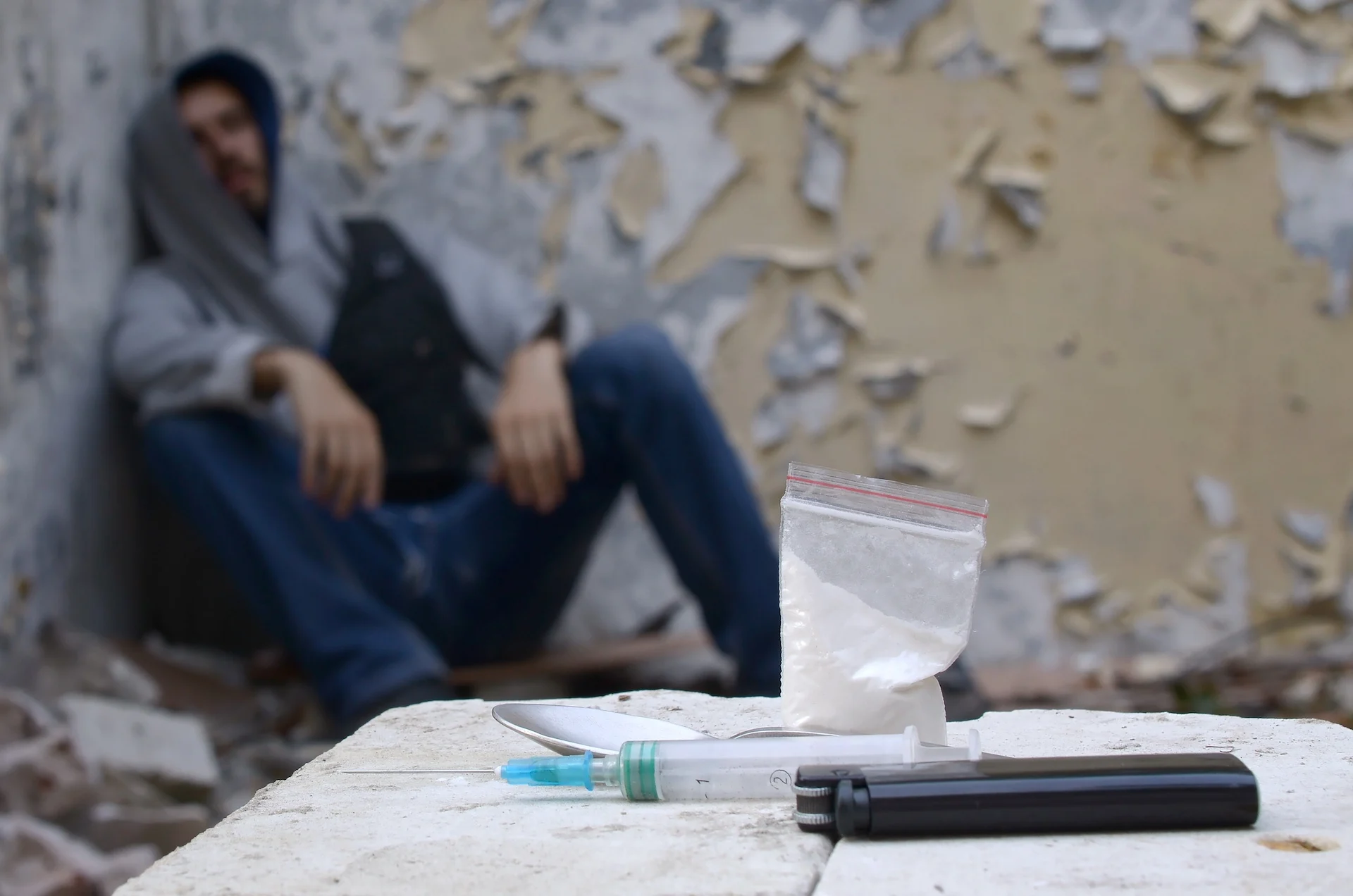
Cocaine is highly addictive, rapidly altering brain chemistry and creating intense cravings. Learn how cocaine addiction develops and treatment options available.

Yes, cocaine is highly addictive. The drug rapidly alters brain chemistry by flooding the reward system with dopamine, creating intense euphoria that the brain desperately seeks to recreate. Even casual use can quickly spiral into dependency as the brain becomes dependent on cocaine's effects.
I've worked with countless individuals who started with what they considered "recreational" use, only to find themselves unable to stop. The progression from first use to addiction can happen faster than most people realize, which is why understanding cocaine's addictive nature is so crucial for anyone considering using it or concerned about someone they love.
How Cocaine Hijacks the Brain's Reward System
When someone uses cocaine, the drug interferes with the brain's natural communication system in profound ways. Normally, our brains release dopamine as a reward for positive behaviors like eating, exercising, or spending time with loved ones. After dopamine delivers its "feel good" message, it's naturally reabsorbed back into the cells.
Cocaine blocks this reabsorption process. The drug binds to dopamine transporters, preventing them from clearing dopamine from the spaces between brain cells. This creates an artificial flood of dopamine that produces the intense high cocaine users experience.
Research from the National Institute on Drug Abuse has revealed that cocaine's effects on the brain go beyond simple dopamine elevation. The drug also triggers changes in genetic activity and nerve cell structure that can persist for weeks or months after use stops. These neurobiological changes help explain why addiction develops so quickly and why recovery can be challenging.
What makes cocaine particularly insidious is that these brain changes occur even with limited use. Your brain essentially rewires itself to prioritize cocaine-seeking behavior over natural rewards, making everything else in life feel less satisfying by comparison.
Why Cocaine Is One of the Most Addictive Substances
Several factors combine to make cocaine exceptionally addictive compared to other substances. Understanding these elements helps explain why so many people struggle to quit on their own.
Rapid onset and short duration
Cocaine produces effects almost immediately, especially when smoked or injected. This instant gratification creates a powerful psychological association between using the drug and feeling good. However, the high only lasts 15-30 minutes for most methods of use, creating a destructive cycle where users need to take more cocaine repeatedly to maintain the euphoria.
Intense euphoria
The dopamine surge caused by cocaine produces feelings of extreme confidence, energy, and pleasure that far exceed natural rewards. Many people I've worked with describe their first cocaine experience as the best they've ever felt, a memory that drives continued use even when the drug stops producing the same effects.
Tolerance development
With repeated use, the brain adapts to cocaine's presence. You need increasingly larger doses to achieve the same high, a phenomenon called tolerance. This escalation often happens quickly, pushing users toward more frequent and higher-dose use.
Severe withdrawal symptoms
When cocaine use stops, users experience a "crash" characterized by exhaustion, depression, irritability, and intense cravings. These uncomfortable symptoms often drive people back to using cocaine for relief, perpetuating the addiction cycle.
The Substance Abuse and Mental Health Services Administration provides resources for individuals struggling with cocaine addiction, recognizing it as a serious public health concern requiring comprehensive addiction treatment approaches.

We’re Here To Help You Find Your Way
Would you like more information about cocaine? Reach out today.
The Science Behind Cocaine Dependence
Cocaine doesn't just flood the brain with dopamine. Recent research has uncovered multiple mechanisms that contribute to addiction, painting a more complex picture than previously understood.
Scientists have identified a protein called ΔFosB that accumulates in the brain's reward centers with repeated cocaine use. Each dose increases ΔFosB levels, and these elevated levels lead to long-lasting changes in brain structure. Specifically, neurons develop more branches and connection points, which may persist for weeks after someone stops using cocaine.
Additionally, cocaine affects glutamate systems involved in learning and memory. This helps explain why people develop such strong associations between cocaine use and specific people, places, or situations. Your brain essentially "learns" to crave cocaine when exposed to these triggers.
What's particularly concerning is that even after the drug leaves your system, these brain changes remain. This biological reality underlies the chronic nature of addiction and the ongoing risk of relapse that people face, sometimes years into recovery.
Recognizing the Signs of Cocaine Addiction
Cocaine addiction manifests through behavioral, physical, and psychological symptoms. Being able to identify these warning signs can help you or someone you care about seek help earlier.
Behavioral changes
Obsessive focus on obtaining and using cocaine
Neglecting responsibilities at work, school, or home
Withdrawing from family and friends
Engaging in risky behaviors to obtain drugs
Financial problems due to spending money on cocaine
Continuing use despite negative consequences
Physical symptoms
Frequent nosebleeds or runny nose (from snorting)
Weight loss and decreased appetite
Dilated pupils and increased heart rate
Sleep disturbances or irregular sleep patterns
Tremors or muscle twitches
Burn marks on fingers or lips (from smoking crack)
Psychological indicators
Mood swings and irritability
Paranoia or anxiety
Depression when not using
Intense cravings for cocaine
Inability to feel pleasure from normal activities
Cognitive difficulties with memory and decision-making
If you're noticing these patterns in yourself or someone you love, professional evaluation at a rehab facility can provide clarity and direction.

We’ll Lead You to New Heights
Do you have more questions about cocaine? Reach out.
How Long Does It Take to Become Addicted?
This is one of the most common questions I hear, and the honest answer is that it varies significantly from person to person. However, the timeline is often shorter than most people expect.
Some individuals report feeling dependent after just a few uses, while others may use cocaine occasionally for longer periods before developing full-blown addiction. Several factors influence this timeline, including genetics, mental health status, frequency of use, and method of administration.
Research suggests that approximately 15% of people who use cocaine become addicted within 10 years. However, this statistic doesn't capture the full picture. Many people develop problematic use patterns much sooner, and the risk increases substantially with more frequent use.
Smoking crack cocaine carries particularly high addiction risk because it delivers the drug to the brain more quickly than other methods. The faster onset creates stronger reinforcement, accelerating the path to dependence.
What concerns me most is that many people don't recognize they're developing addiction until it's already firmly established. The transition from casual use to dependency can be subtle, marked by gradual increases in frequency and amount rather than a dramatic shift.
Understanding Cocaine Withdrawal
When someone dependent on cocaine stops using, withdrawal symptoms emerge that can be psychologically challenging. While cocaine withdrawal typically isn't medically dangerous like alcohol or benzodiazepine withdrawal, it creates significant discomfort that often leads to relapse.
According to information from MedlinePlus, withdrawal symptoms usually begin within a few hours after the last use. The acute phase typically lasts three to five days, though some symptoms can persist for weeks or months.
Common withdrawal symptoms include:
Profound fatigue and exhaustion
Depression and anhedonia (inability to feel pleasure)
Intense cravings for cocaine
Increased appetite
Sleep disturbances (insomnia followed by excessive sleeping)
Anxiety and irritability
Psychomotor agitation or slowing
Vivid, unpleasant dreams or nightmares
The psychological symptoms of withdrawal are often the most challenging aspect of early recovery. Depression during cocaine withdrawal can be severe, and some individuals experience suicidal thoughts. This is why medically supervised detoxification provides important safety and support during this vulnerable period.
Cravings can wax and wane for months after stopping cocaine use. Even after acute withdrawal resolves, people may experience what's called post-acute withdrawal syndrome (PAWS), characterized by ongoing mood instability, sleep problems, and periodic cravings.
We’re Here To Help You Find Your Way
Do you need advice about cocaine? Reach out today.
Treatment Options for Cocaine Addiction
Recovery from cocaine addiction is absolutely possible, and numerous evidence-based treatment approaches have helped people reclaim their lives. The most effective treatment plans typically combine multiple therapeutic modalities tailored to individual needs.
Behavioral therapies
Cognitive-behavioral therapy (CBT) has proven particularly effective for cocaine addiction. This approach helps you identify the thoughts and situations that trigger cocaine use and develop healthier coping strategies. Many people I work with find that CBT gives them practical tools for managing cravings and avoiding relapse.
Contingency management provides tangible rewards for maintaining abstinence. Studies show this approach can be highly effective because it works with rather than against the brain's altered reward system, gradually helping restore normal motivation patterns.
Motivational interviewing helps resolve ambivalence about quitting and strengthens commitment to recovery. This collaborative approach respects that change is difficult and helps you identify your own reasons for wanting to get better.
Support groups and peer recovery
Connecting with others who understand the struggle of addiction provides invaluable support. Groups like Narcotics Anonymous offer community, accountability, and the wisdom of people further along in recovery. The shared experience can combat the isolation that often accompanies addiction.
Comprehensive treatment programs
Mental health treatment addresses co-occurring conditions that often accompany cocaine addiction. Many people use cocaine to self-medicate symptoms of depression, anxiety, trauma, or other mental health concerns. Treating these underlying issues is crucial for lasting recovery.
Residential treatment provides intensive, structured support during early recovery when vulnerability to relapse is highest. Removing yourself from the environment where cocaine use occurred gives you space to focus entirely on healing.
Outpatient programs offer flexibility for people who need to maintain work or family responsibilities while receiving treatment. These programs vary in intensity from several hours per week to daily sessions.
Medication-assisted approaches
Currently, no FDA-approved medications specifically treat cocaine addiction. However, research continues to explore promising pharmaceutical approaches. In the meantime, medications may be prescribed to manage withdrawal symptoms, treat co-occurring mental health conditions, or address specific symptoms like severe depression or anxiety.
Addressing Co-Occurring Disorders
In my experience, the majority of people struggling with cocaine addiction are also dealing with other mental health challenges. These co-occurring disorders require integrated treatment for the best outcomes.
Depression and cocaine use disorder frequently occur together. Cocaine temporarily alleviates depressive symptoms, but ultimately worsens depression through its effects on brain chemistry. Breaking this cycle requires addressing both conditions simultaneously through appropriate therapy and possibly medication.
Anxiety disorders also commonly co-occur with cocaine addiction. Some people initially use cocaine to feel more confident in social situations or manage performance anxiety. However, cocaine use often increases anxiety over time and during withdrawal.
Trauma-related disorders, including PTSD, frequently underlie substance use. Cocaine may provide temporary escape from traumatic memories or emotional pain, but ultimately interferes with genuine healing. Trauma-focused therapies address these root causes.
Treating co-occurring disorders isn't just about addressing symptoms. It's about understanding how these conditions interact and developing comprehensive strategies that support overall wellness rather than just abstinence from cocaine.
We’ll Lead You to New Heights
Would you like more information about cocaine? Reach out today.
The Path Forward: Hope and Recovery
If you're struggling with cocaine addiction, please know that recovery is entirely possible. The brain's neuroplasticity, the same property that allowed addiction to develop, also enables healing. With the right support and commitment, people rebuild their lives every day.
Recovery isn't about returning to who you were before cocaine. It's about becoming someone new, someone with tools to handle life's challenges without needing a substance to cope. This transformation takes time, effort, and support, but the freedom on the other side is worth every difficult moment.
I encourage anyone concerned about their cocaine use to reach out for help. Whether you're not sure if you have a problem or you're absolutely certain you need treatment, talking to a professional is an important first step. You can contact us to learn more about treatment options that might be right for you.
Remember that addiction is not a moral failing or a lack of willpower. It's a medical condition that changes brain function in measurable ways. Just as you wouldn't expect someone with diabetes to manage their condition through willpower alone, you shouldn't expect yourself or someone you love to overcome cocaine addiction without appropriate treatment and support.
The fact that you're reading this article and educating yourself about cocaine addiction is already a positive step. Knowledge is power, and understanding the nature of addiction helps combat stigma, builds compassion, and guides effective action.
Whether you're concerned about yourself or someone you love, help is available. Organizations like the SAMHSA National Helpline (1-800-662-HELP) provide free, confidential support 24/7. Professional treatment centers offer comprehensive programs designed specifically for cocaine addiction.
Your brain's reward system may be temporarily hijacked by cocaine, but with proper treatment and support, you can reclaim control. Thousands of people have walked this path before you and emerged on the other side with healthier, more fulfilling lives. You deserve that same opportunity for healing and growth.
We’re Here To Help You Find Your Way
If you or a loved one is struggling with addiction, there is hope. Our team can guide you on your journey to recovery. Call us today.
Written by

The Edge Treatment Center
Reviewed by
 Jeremy Arzt
Chief Clinical Officer
Drug and Alcohol
Addiction Recovery
December 16, 2025